Walkthrough · No. 01
Tagore AI: Document research with the sources attached
How a research assistant limited to curated official documents answers with a citation on every claim.

§ 01 Problem
The problem
Primary sources for Indian public affairs are abundant but slow to search. Researchers spent hours finding the document behind a claim; chatbots answered fluently with no way to check.
§ 02 Information and data
What made it hard
-
Multi-decade corpora in mixed formats: scanned and digital PDFs, HTML pages, tables.
-
Different update rhythms: press releases daily, Parliament per session, Acts quarterly.
-
Questions in several languages, including Hindi, that must still cite the original.
-
Numbers live in tables, not prose, so Dataful’s datasets are part of the corpus.
§ 03 Workflow and design
The decisions that shaped it
D1
Limit what the assistant can draw on
Curated official corpora and Dataful tables only, never the open web.
D2
One assistant per corpus, plus a router
A Master Assistant routes between them.
D3
A citation on every claim
Inline markers resolve to a dated source document in a sources sidebar.
D4
A separate mode for long research
Research Mode produces structured, multi-source reports.
D5
Say what it cannot do
A published limitations page, treated as a feature.
§ 04 Shipped, not planned
What it actually does
- Plain-language questions over 2.5 million+ official documents and 650,000+ data tables, cited
- Six assistants: press releases, Parliament, budget speeches, Central Acts, fact checks and a router
- Research Mode for multi-source reports; questions in Hindi too
- Sources sidebar; related Dataful datasets with each answer
§ 05 Input → steps → output
Walkthrough
-
Input
A research question: “How has Indian education policy evolved over the decades?”
-
Step 1: Ask
The Master Assistant routes the question across press releases, parliamentary answers and Dataful datasets.
-
Step 2: Read the answer, with its markers
Structured by period and theme, a citation marker after each claim.
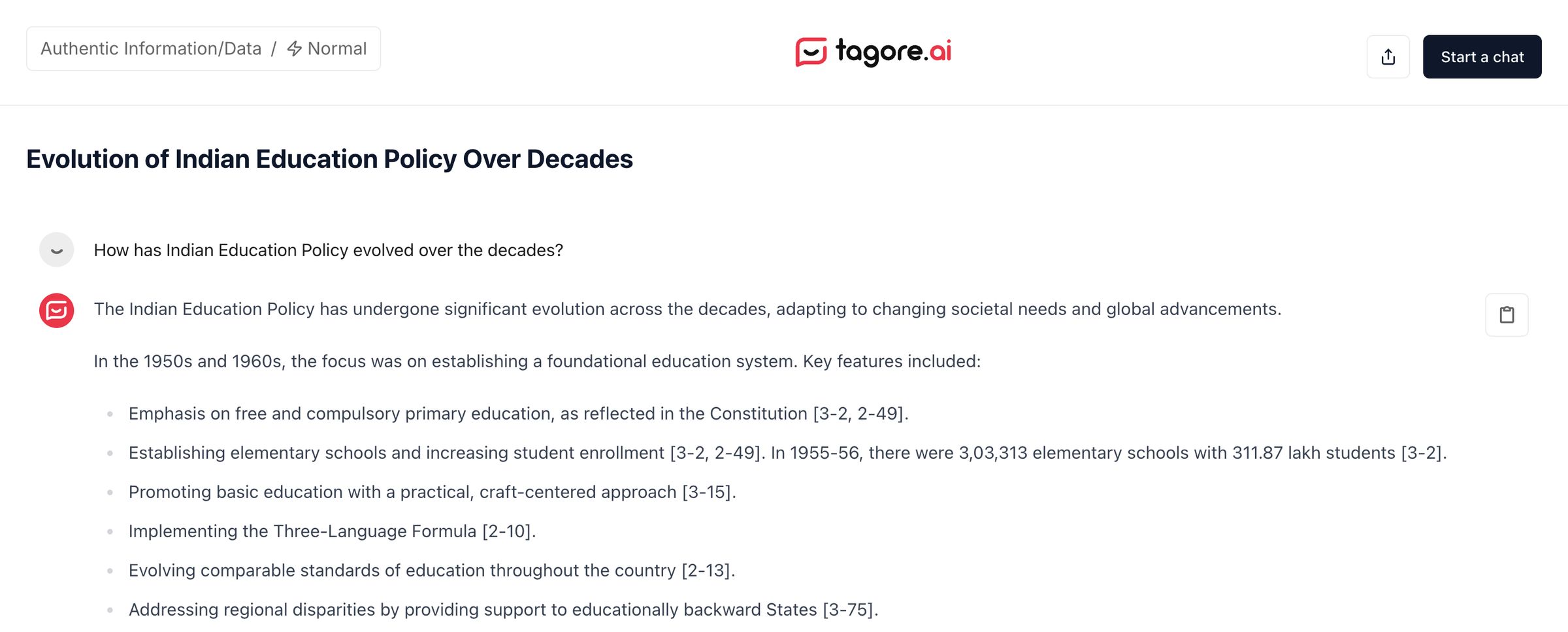
Fig. 2 Inline citation markers after each claim. -
Step 3: Open the sources
The sidebar lists the dated documents behind the answer. Each opens the original.
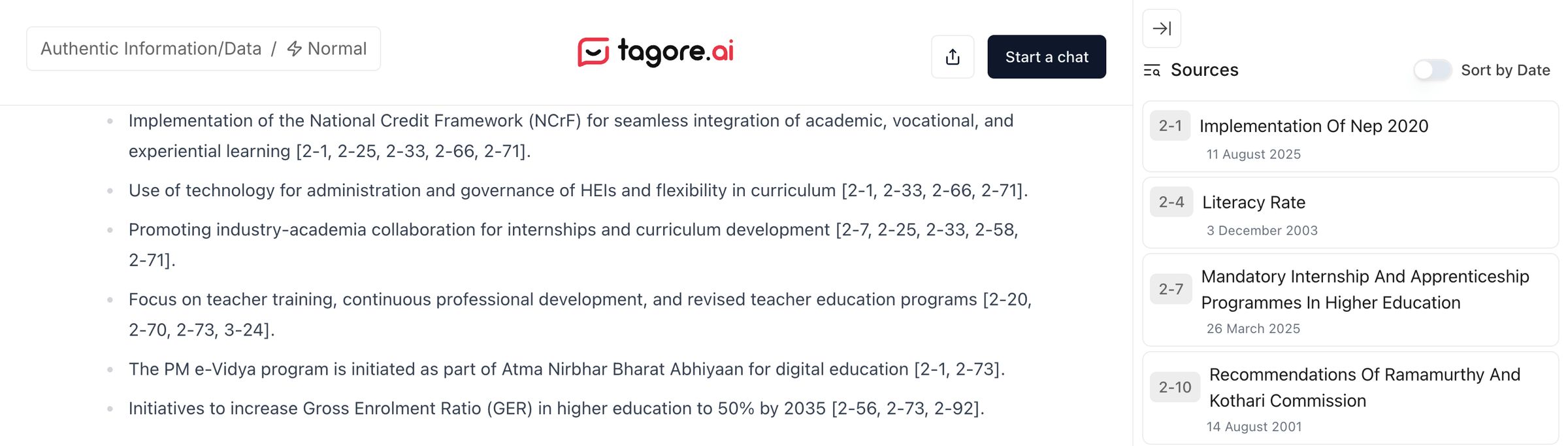
Fig. 3 The sources sidebar: dated official documents. -
Step 4: Check the data
Below the answer, Dataful Datasets points to the standardised tables to read next.
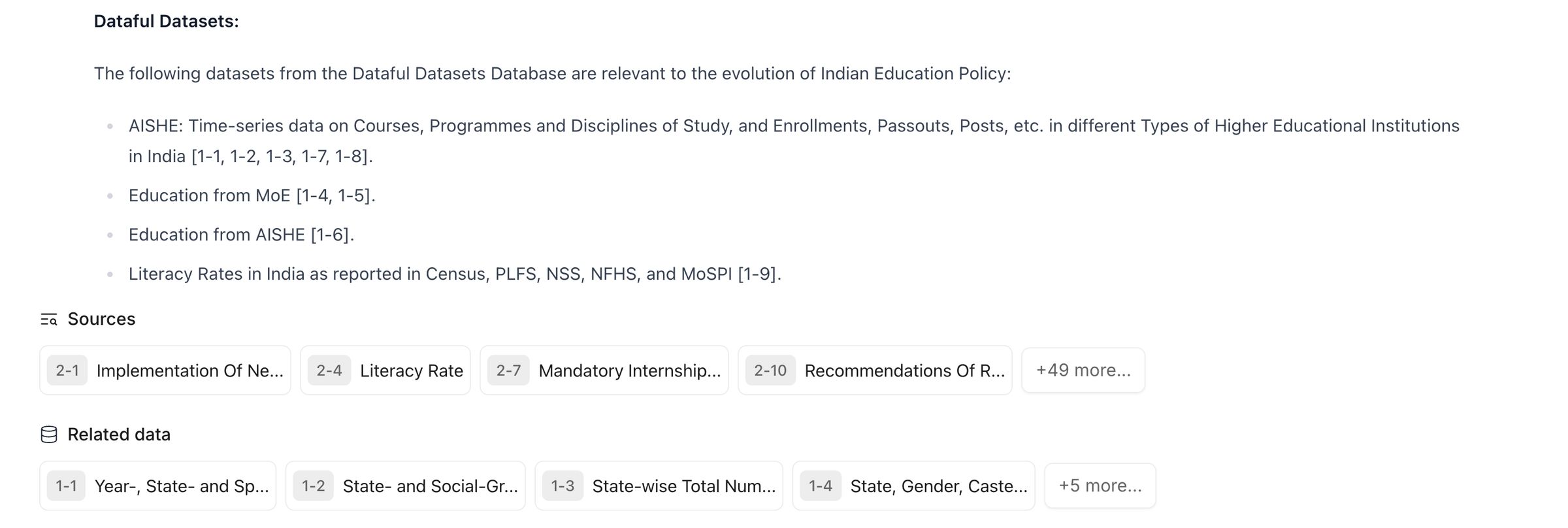
Fig. 4 Documents and datasets, both cited. -
Step 5: Review and use
The researcher checks the sources, edits the draft and shares it by link.
-
Output
A cited answer a reviewer can audit line by line.


§ 06 Evaluation
How we check it
-
Built with Factly’s own researchers and reporters as the first users and hardest critics.
-
Each corpus has a published scope and update schedule.
-
Known failure modes are documented: incomplete answers, missing files, an off-topic source.
§ 08 Limitations and lessons
Limitations and lessons
read this part first
Limitations
- Answers may not be exhaustive; a small share of official files could not be retrieved.
- Retrieval can surface an off-topic document; the citation makes it visible.
- The corpus is Indian government sources. A client assistant needs its own corpus and evaluation set.
Lessons from operation
- A narrow, verifiable corpus beats open-web generality. Users forgive “I could not find that”; they do not forgive a confident wrong answer.
- Citations are the interface, not a footnote.
- Document preparation is most of the work.
- Publish the limitations. Serious users look for them first.
Sources (9)
- [1] Tagore AI corpus figures, provided by Factly (November 2026) · tagore.ai (opens external site)
- [2] Tagore AI documentation: PIB Chronicle assistant · docs.tagore.ai (opens external site)
- [3] Tagore AI documentation: Parlens assistant · docs.tagore.ai (opens external site)
- [4] Tagore AI: home · tagore.ai (opens external site)
- [5] Tagore AI: assistants · tagore.ai (opens external site)
- [6] Tagore AI documentation: FAQs · docs.tagore.ai (opens external site)
- [7] Tagore AI documentation: limitations · docs.tagore.ai (opens external site)
- [8] Tagore AI documentation: how to ask · docs.tagore.ai (opens external site)
- [9] Tagore AI: a public shared answer · app.tagore.ai (opens external site)
Sources reviewed 15 November 2026, 16 November 2026.
Discuss a project
Want this over your own documents?
Tell us what your team keeps looking up and where the documents live.